Hair Loss After Facelift: What’s Normal, What’s Not & How to Cope
Hair loss after facelift surgery is something many patients don’t expect, but it’s more common than you might think. As a private recovery nurse supporting facial plastic surgery patients, I often see how emotional this part of healing can be. While rarely discussed, hair loss after a facelift is a valid concern, and one that’s usually temporary.
Why Does Hair Loss Happen After a Facelift?
Facelift incisions are typically placed along the hairline, behind the ears, or within the scalp to keep scars hidden. Even with the most meticulous surgeon, some nearby hair follicles may be disturbed during surgery. This can result in small patches of thinning or shedding as your body heals.
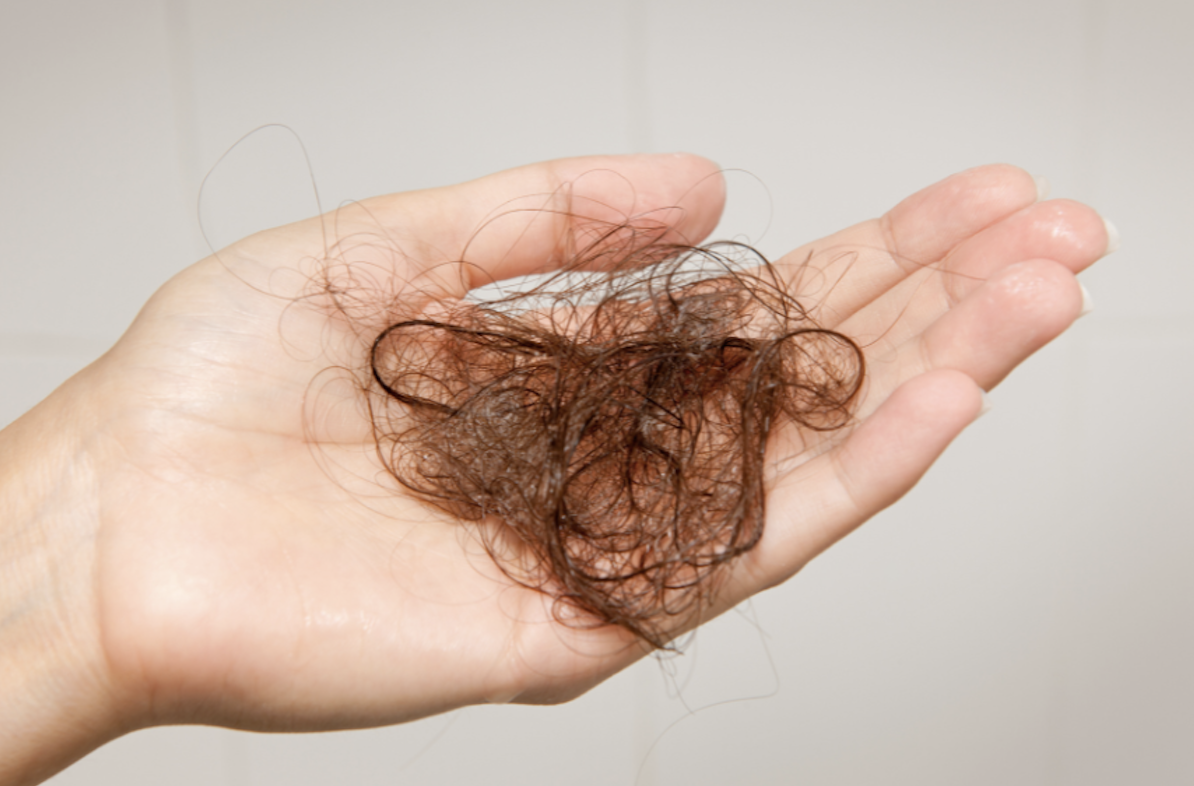
The First Shower Surprise
Many patients are startled during their first post-op shower when they see what looks like excessive hair shedding. This shedding is usually caused by a mix of:
- Normal hair turnover
- Physical stress from surgery
- Hairs cut at incision sites
- Anesthesia reaction
Although it may look alarming, it’s often temporary and expected during facelift recovery.
Emotional Impact of Hair Loss After Facelift
Even though hair loss after facelift surgery is temporary, it can feel deeply personal and distressing, especially during a time when you’re already focused on healing and regaining confidence. Patients often worry that something is going wrong or that the results of their surgery will be overshadowed by unexpected changes like thinning hair.
It’s okay to feel frustrated or discouraged. This is a normal part of recovery for some patients, and it doesn’t mean your facelift wasn’t successful. Talking openly with your provider and receiving supportive, compassionate care during this phase can make a world of difference. That’s why we offer personalized post-op nursing support, to help you heal beautifully inside and out.
What’s Normal and When to Contact Your Surgeon
Some shedding or thinning near incision lines is normal in the first few weeks. However, you should reach out to your surgeon if you notice:
- Large or widening patches of hair loss
- No regrowth after several months
- Signs of infection (redness, oozing, swelling)
Here’s a helpful resource from Medical News Today explaining the causes of alopecia after surgery.
Talk About It During Follow-Ups
Please don’t hesitate to bring up hair loss at your post-op appointments. It’s not a vain concern—it’s part of the healing experience. Your doctor may suggest:
- Topical scalp treatments
- Low-level light therapy
- Supplements
How Long Does Hair Loss After a Facelift Last?
Most patients begin to see hair regrowth within 3 to 6 months, with full restoration by 9 to 12 months. During this time, the right care can help protect delicate areas and support recovery.
Can Hair Loss After Facelift Be Prevented?
While some hair loss after facelift surgery is due to natural healing and can’t be fully avoided, there are steps you and your care team can take to minimize the risk. Choosing a board-certified plastic surgeon with experience in hairline-preserving techniques is key. Post-surgery, following all care instructions, avoiding tension on incision sites, and being gentle with hair washing can reduce trauma to follicles.
As your private recovery nurse, I also monitor for early signs of irritation or stress that might lead to excess shedding—providing both practical solutions and peace of mind as you heal.
Tips for Managing Hair Loss After Facelift
- Sleep on a silk or satin pillowcase to reduce friction
- Eat protein-rich, nutrient-dense meals with iron and biotin
- Avoid tight hairstyles or clips that tug near incision areas
- Use gentle, sulfate-free shampoos
- Always consult your surgeon before starting any hair regrowth treatment
You’re Not Alone. We’re Here for You
Experiencing hair loss after facelift surgery can feel overwhelming—but it doesn’t last forever. At After Plastic RN, we provide compassionate, expert recovery support in San Diego and surrounding areas. Whether it’s surgical drains, swelling, or hair thinning, we’re here through every step.